
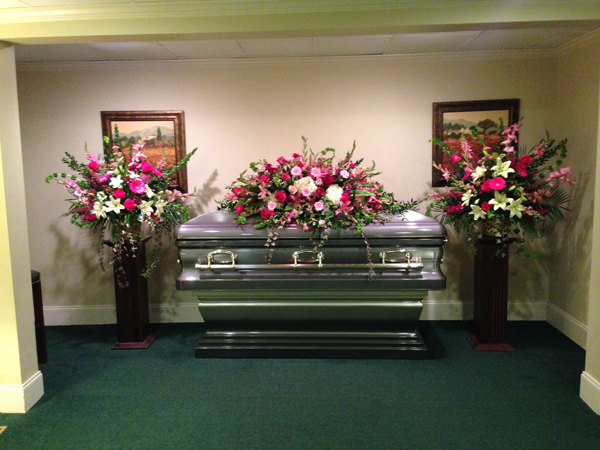
Understanding Funeral Services: Honoring Lives with Respect and Care
When it comes to saying goodbye, funeral services play an essential role in helping families and communities honor the lives of their loved ones. This week, let’s explore what funeral services encompass, why they matter, and how they can be personalized to truly reflect the spirit of the person being remembered.
At their core, funeral services are more than just rituals; they are moments of connection, reflection, and healing. These ceremonies provide an opportunity for people to come together, share memories, and find comfort in collective support. Whether traditional or modern, religious or secular, funeral services serve as a meaningful way to acknowledge loss and celebrate a life lived.
What Makes Funeral Services Meaningful?
Funeral services often follow certain customs that vary by culture, religion, and personal preference. They may include readings, music, eulogies, prayers, or symbolic acts that help express grief and gratitude. But beyond the formal structure, the power of a funeral lies in its ability to bring people face to face with their emotions and each other.
In recent years, many have embraced more personalized services. This might mean incorporating favorite songs, displaying photographs, or even holding the ceremony in a place that was meaningful to the deceased. These personal touches transform a funeral from a routine event into a heartfelt tribute that truly honors the individual.
Types of Funeral Services
- Traditional Funeral Service: Typically held in a funeral home, church, or place of worship, often followed by burial or cremation.
- Memorial Service: A gathering to remember the deceased that can take place days, weeks, or even months after the passing, sometimes without the body present.
- Celebration of Life: A more informal and uplifting event focusing on celebrating the joys and accomplishments of the person’s life.
- Direct Cremation or Burial: A simpler process without a formal service, often chosen for its simplicity or cost-effectiveness.
Choosing the right type of service depends on many factors, including cultural traditions, personal wishes, and family preferences. What’s most important is that it feels authentic and provides comfort to those who attend.
The Role of Funeral Directors and Support Services
Funeral directors and professionals help guide families through the process with compassion and expertise. From handling legal paperwork to arranging logistics, their support eases a heavy burden during difficult times. Many also offer grief counseling and aftercare services, recognizing that healing continues long after the ceremony ends.
In our digital age, some funeral homes have embraced technology, offering live streaming for those who cannot attend in person or creating online memorial pages. These innovations help connect communities across distances, ensuring that everyone can participate in remembrance.
Reflecting on the Importance of Farewell
Funeral services remind us that life’s final chapter is a shared experience. They offer space not only for mourning but also for storytelling, laughter, and even hope. In honoring the departed, we often find renewed appreciation for those still with us.
As we reflect on the power of funeral services, it’s clear they are more than ceremonies—they are acts of love, respect, and belonging. Next week, we’ll dive into creative ways to personalize memorials and keep the memory of loved ones alive in unique and enduring ways.
Thank you for joining this thoughtful conversation. May the moments we share in remembrance bring peace and connection to your heart.